
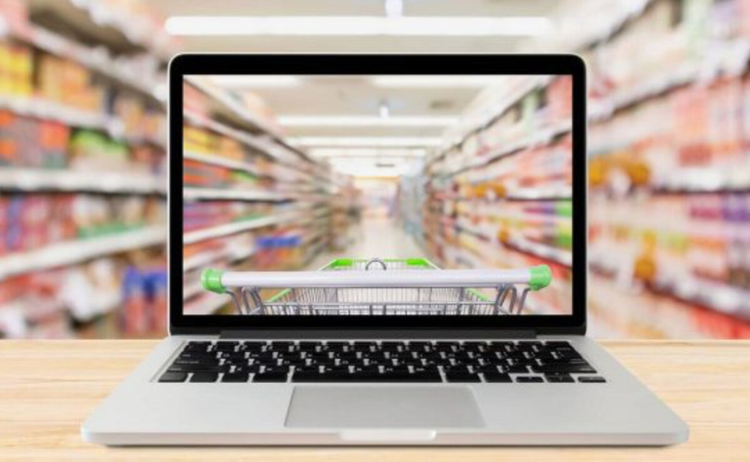
Have you heard of retail media ? This marketing strategy is already widespread in the United States and Asia, and it's rapidly expanding in Latin America. Today, the experts at Shopify Mexico explain in detail what it is and how you can leverage it for your digital business, since retail media can be a great complement to what we do at Getmore, which is to focus on optimizing your e-commerce site so you can sell more.
To understand what retail media is, it's helpful to first understand the context of digital retail. According to the IAB's Retail Media Guide for Latin America , 40% of customers currently begin their product search directly on the e-commerce site of a trusted retailer. In other words, instead of using a web search engine to find purchasing options, they go directly to the retailer where they usually shop to check availability and prices.
From 2019 to 2024, the percentage of digital sales for retailers more than doubled, and a similar trend was observed with brands' digital advertising budgets, which increased from eight million dollars to over twenty million during the same period. Currently, more than twenty key retail players in Latin America have launched retail media solutions, with revenues already exceeding one billion dollars, and nearly 75% of marketers state that they plan to purchase search ads on one or more of these platforms.
In conclusion: the buyer's journey of many brands begins directly on a retailer 's ecommerce site, which opens up a golden opportunity to invest in advertising space, with all the advantages of personalized recommendations.
What is retail media and why is it relevant to ecommerce?
Retail media refers to the practice of selling advertising space within retailers ' e-commerce sites (or physical stores). Through this strategy, retailers monetize the visibility of their digital environments along with their first-party customer data, offering brands the opportunity to display highly personalized ads precisely when consumers are ready to buy.
Retailers , in addition to having high traffic in their digital stores, have access to key user data, such as purchase history and browsing preferences, and can use them to segment and target very effective ads, turning their ecommerce into a very attractive showcase for advertisers.
Companies like Amazon and Walmart are two iconic examples that are leading the way in retail media in Latin America, offering brands strategic advertising spaces that appear in key places and times, such as search results pages or product recommendations, which significantly increases the chances of conversion.

Retail media is not only transforming how retailers generate revenue, but also how brands interact with consumers. In a world of fierce competition, this strategy allows brands to stand out at the precise point where purchasing decisions are made.
Advantages of retail media for the retailer
Increased income
One of the main advantages of retail media is the ability to generate additional revenue by selling advertising space on e-commerce sites. By offering brands the opportunity to advertise in strategic locations, retailers earn money directly from the ads, but they also increase the average order value by showcasing products that complement current purchases.
Improving the customer experience
By displaying ads and product recommendations based on user behavior and preferences, customer satisfaction is increased, and the likelihood of conversion and loyalty is enhanced by helping them discover products that truly interest them.
Building closer ties with suppliers
Attractive advertising spaces, directly in e-commerce, can translate into stronger and more beneficial agreements with brands and suppliers, such as better supply conditions or exclusive promotions that benefit both the retailer and the supplier.
Advantages of retail media for the advertiser
Effectiveness at contextually relevant moments
Retail media allows brands to capture consumers' attention precisely when they are most likely to make a purchase. By displaying ads at key points in the customer journey, such as product searches or the shopping cart page, brands can maximize their impact and increase conversion rates.
Access to real-time consumer behavior data
In a context defined by the increasing restriction on the use of third-party cookies and regulations such as the General Data Protection Law (LGPD), retail media offers brands the opportunity to leverage first-hand data collected directly by retailers, without needing to access it directly, as it is managed by a third party.
Easier measurement of effectiveness and ROI
Unlike traditional advertising campaigns, retail media facilitates the precise measurement of ad effectiveness and return on investment (ROI). Retailers provide detailed reports on ad performance, including clicks, impressions, and conversions, allowing brands to adjust their strategies in real time to maximize results.
Brand Safety
Retail media offers a safe environment for brands, as retailers typically have strict controls over the content displayed on their platforms. This includes content rules, moderation processes, and verification tools that ensure ads appear alongside appropriate content, reducing the risk of ads appearing next to controversial or irrelevant material and protecting the brand's reputation.
Differences and similarities between retail media and personalized product recommendations
By now you've probably started to realize that retail media and personalized product recommendations in e-commerce have a lot in common. Both strategies aim to increase conversions and improve the customer experience by offering relevant content, and both retail media and product recommendations rely on analyzing user behavior data to segment and personalize messages.
Another key similarity lies in the automation and data analytics technology behind both. Simply put, if an e-commerce platform has the infrastructure to make personalized recommendations, it also has the technological foundation to deploy retail media campaigns.
The main difference in retail media lies in monetization through the sale of advertising space, which is generally distinguished from other types of recommendations by an explicit sponsored content label.

Is retail media for you?
From a brand perspective, retail media is a great strategy for you if, in addition to selling products on your e-commerce site, you also distribute your merchandise through online retailers. From an e-commerce perspective, offering highly targeted advertising space could also be a good option, even if you're not a retail giant like Amazon or Walmart.
Large retailers have the advantage of massive traffic and vast access to data, but smaller or niche e-commerce businesses can also leverage retail media on their own scale and within their own sector. For example, if you have an online jewelry store and feature several designers or suppliers, you can give their products an extra boost. The same applies to online stores selling pet products, crafts, skincare , and so on.

However, if your ecommerce is exclusively for your brand, you can still use retail media to cross-sell complementary products that don't directly compete with yours, or to promote related services, such as consultations with professionals with whom you have business partnerships, or special events that may interest your target audience.
Conclusion
If you have a growing online store, don't lose sight of the potential of your data and website traffic to transform your ecommerce site into a high-demand showcase. Specialized digital marketing agencies can help you with these strategies, but to achieve this, you first need a reliable website and a robust ecommerce infrastructure—and that's where we come in.
At Getmore, we're the Shopify agency that helps you understand and maximize the potential of your online store. Keep checking out our experts' content and keep learning about the exciting world of e-commerce.
