
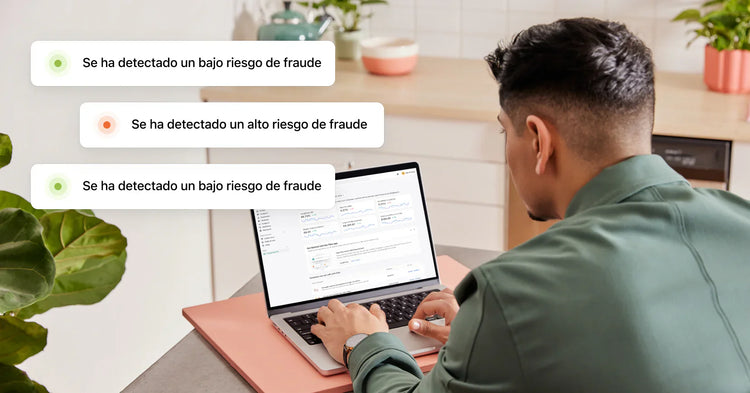
Chargebacks in e-commerce can be a major problem for business owners in Mexico, as they have increased by 20% annually, according to Stripe . Understanding what a chargeback is and how to prevent it is crucial to maintaining your online store's profitability and avoiding becoming an easy target for fraudsters. In this post, we'll provide you with an effective checklist to prevent chargeback fraud in your e-commerce business.
What is a chargeback?
It's very simple: a chargeback is the cancellation or refund of a payment to a customer by a bank for a purchase the person claims not to recognize. Where it gets a little more complicated is understanding why buyers request this refund from the bank. In Mexico, chargebacks can occur for various reasons, such as unrecognized charges on the customer's statement, payment processing errors, or—and in this blog we'll focus on how to prevent the latter—fraud.
Chargeback fraud occurs when one or more individuals maliciously purchase products from an online store and then request a refund from their bank, claiming they "don't recognize" the charge. The primary goal of these fraudsters is, in most cases, to resell the product. Therefore, they will always try to get their money back while also keeping the product.
You might be interested in: The 4 pillars of e-commerce for a successful online store.
Shopify chargeback fraud anti-fraud checklist
If you have your online store on Shopify, consider the checklist we've created below to confirm that any order is not for the purpose of committing fraud.
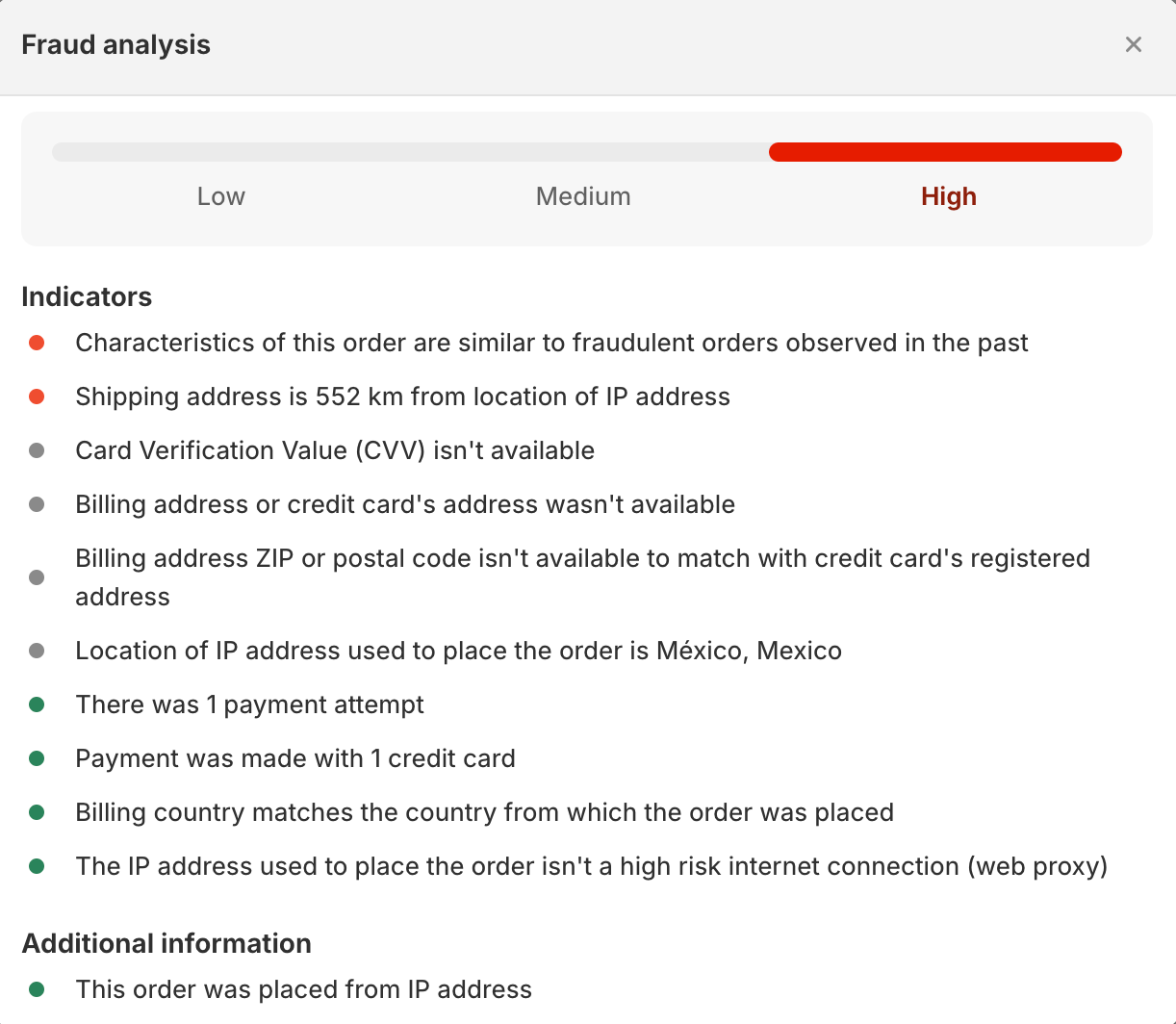
1. Review Shopify 's fraud detection analysis: The Shopify platform already has a built-in system that alerts you to potential fraud when an order meets certain criteria. In the Orders section of your Shopify Admin, you'll see an alert label when the fraud risk level is medium or high, and the order details will look something like this:
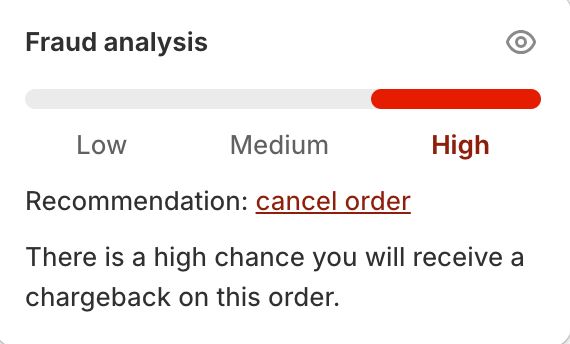
Keep in mind that, although the platform already has a system for detecting these cases, its effectiveness is not infallible. Therefore, it's important that, regardless of this indicator, you also consider what we mention below.
2. Order details: In the case of fraud, the customer requests, generally on their first purchase, larger than normal quantities of the most popular products, why? Very simple: because it is easy to resell products with high demand.
3. Direct contact: If you notice that the order is marked as suspicious, contact the buyer directly through their cell phone number to verify the order, payment method, and delivery address.
To do this, you must activate the "Cell Phone" field in your online store's checkout process, and ideally, make it a requirement to complete the purchase. If you notice that the number doesn't exist or isn't responding, it's probably a scam.
4. Email: Check that their email address is "normal." In cases of fraud, fake email addresses are commonly used (hence the bounce-back), or they are unusual email addresses like h270bsk@hotmail.com . If either of these applies to your situation, it is probably a scam.
5. Shipping address: Here are several signs to consider when dealing with potential fraud:
- The person attempting a fraudulent chargeback may place multiple orders within a short period, using different names but the same shipping address. Note: the address may sometimes vary only slightly, such as the postal code or house number.
- In addition to the previous point, most of the time, these orders are placed to very distant addresses or uninhabited places .
- In some cases, the customer quickly contacts the e-commerce site to request a change of shipping address and confirm that the payment was processed correctly. This is because they want the delivery to a location other than their home, such as vacant lots or public areas, or they contact the courier service directly to pick up the package in person. If the customer contacts you immediately after placing the order requesting these changes, verify the other order details to ensure it is not a scam.
6. Time of order: Usually, in cases of fraud, these orders are placed during "non-business" hours, such as in the early morning. Furthermore, the same person places several orders within minutes of each other.
7. Multiple payment attempts: When it comes to fraud, the person sometimes tries to make the same order in multiple payments with different credit cards, with the same or different names.
8. Urgent Order Delivery: If you're someone who engages in chargeback fraud, wouldn't you want to receive your order as quickly as possible? These individuals typically track orders intensively, requesting status updates, tracking numbers, and estimated delivery dates, or even requesting express shipping regardless of the cost. They do this to ensure they receive the product before the company detects the potential fraud.
9. Train your employees: Most importantly, continuously analyze these types of cases and train your employees so they know what to do and how to verify information when it's a case of fraud. This way, you'll minimize the risk of scammers targeting you as an easy prey for fraud.
Other aspects to consider
Payment processor tracking
It's important to maintain constant communication with your payment gateways so you can collaborate on strategies to minimize these incidents. Additionally, before implementing a payment gateway, it's crucial to research its chargeback rates, as some gateways aren't yet equipped with the necessary security measures to combat chargeback fraud in Mexico.
For example, payment gateways like PayPal and Mercado Pago , in addition to having tools that prevent chargeback fraud, offer insurance where the payment processor covers the chargeback amount and doesn't deduct it from the online store. However, it's important to first understand the terms and conditions for this insurance to apply.
You might be interested in: 5 payment methods that your online store should have.
Fraud detection applications
There are many tools and applications that help detect high-risk e-commerce fraud more accurately and automatically, such as Signifyd or Clear Sale . However, it's important to carefully analyze the features of each tool and whether it's truly suitable for your industry and the platform where your online store is hosted.
Excellent customer service
Sometimes, the customer who made the purchase isn't satisfied with the product for some reason: it wasn't what they expected, it didn't arrive in good condition or never arrived at all, they ordered the wrong product, etc. That's why it's important for the customer to have a quick and easy way to contact the e-commerce site, to avoid them going directly to their bank to try to get a refund, which could result in you losing that revenue.
Although this specific case isn't considered "chargeback fraud," it's important to keep in mind that this is a possible scenario and directly impacts the user experience. Always strive to optimize your online store so that product returns and warranties are as clear and simple as possible, delivery information is always up-to-date, and above all, there's a direct channel for customer service.

Conclusion
Preventing fraudulent chargebacks on your e-commerce site is crucial for maintaining the profitability of your online business. By implementing and considering strategies ranging from direct customer contact to using chargeback fraud detection plugins , you can significantly reduce the risk of becoming a victim of this activity and, moreover, improve your customers' shopping experience.
If you need expert advice and customized solutions to optimize your e-commerce store on Shopify or Shopify Plus, don't hesitate to contact us – we'd be happy to help!
